
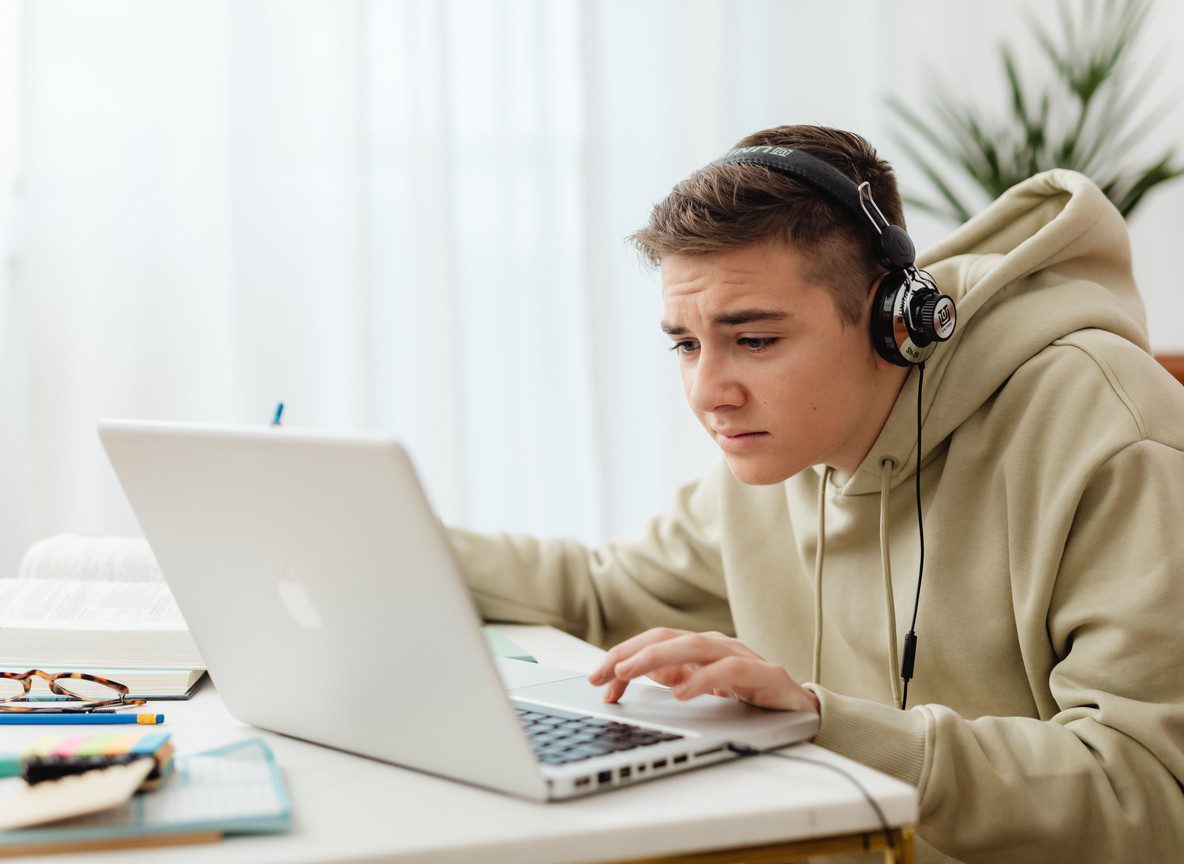
If you have typed “who can proctor my exam” into a search bar at midnight, you are not alone. Thousands of students face this question every semester — and it comes loaded with stress. Maybe your professor just announced a proctored final. Maybe your online program switched to remote proctoring without warning. Whatever brought you here, this guide breaks down exactly who can proctor your exam, what each option means for you, and how GetMyExamsDone supports students like you through the whole stressful process.
What Does “Proctor” Actually Mean?
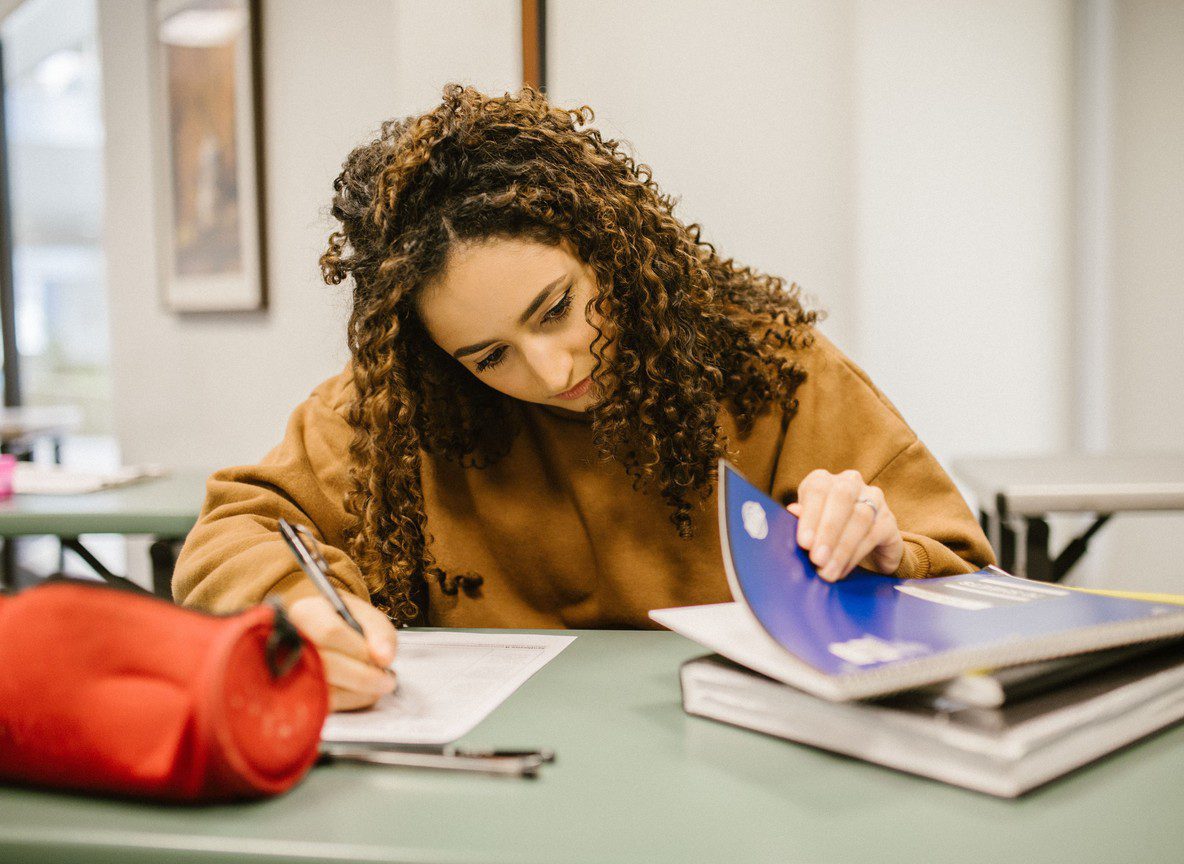
A proctor is someone who supervises an exam to make sure it is completed fairly and without cheating. The word sounds formal, but the role is straightforward: a proctor watches you take a test to verify that the work is yours.
Proctoring happens in two main settings:
- In-person proctoring — a human sits in the room with you (or watches through a window) while you complete your exam
- Remote proctoring — software records your screen, webcam, and audio while an AI or a live person reviews the session
Both formats exist because schools and professional licensing boards need a way to confirm that test results are legitimate. The specific rules around who qualifies as a proctor — and what they are allowed to do — vary widely depending on your institution.
Who Can Proctor My Exam? The Main Options
1. Your College or University Testing Center
Most schools have a dedicated testing center staffed by trained proctors. If you are taking an in-person class or a blended program, this is often the default option. You schedule a time, bring your student ID, and sit in a monitored room.
Testing centers are familiar and reliable, but they have limited hours and seats. If you are a working adult, a parent, or a student in a different time zone, getting there during open hours can be a real challenge.
2. A Faculty Member or Department Administrator
Some professors proctor their own exams — especially for smaller classes or departments without a formal testing center. In this case, your instructor or a department admin watches the room during the scheduled exam period.
This is common in community colleges and smaller universities. The upside is that the person knows your course. The downside is that there is almost no flexibility on timing.
3. An Approved Third-Party Human Proctor
Many online programs allow students to find their own proctor, as long as that person meets specific criteria. Common requirements include:
- Not a family member or close friend
- Holds a professional title (teacher, librarian, HR manager, military officer, notary public)
- Has a valid government-issued ID
- Signs a proctor agreement form provided by your school
A public librarian is one of the most commonly accepted third-party proctors. Libraries in the US, Kenya, and across the world often accommodate this for free or a small fee. A human resources manager at your workplace is another option that many schools accept.
Always check your course syllabus or contact your instructor before scheduling a third-party proctor. Each school has its own approved list.
4. ProctorU, Honorlock, Proctorio, and Other Remote Proctoring Platforms
Remote proctoring services have expanded dramatically over the past five years. Platforms like ProctorU, Honorlock, and Proctorio are integrated directly into learning management systems like Canvas, Blackboard, and D2L.
Here is how they typically work:
- You install a browser extension or app
- The software locks down your screen so you cannot open other tabs
- Your webcam and microphone record the session
- An AI flags suspicious behaviour (looking away, background noise, unusual keystrokes)
- A human reviewer may watch the session live or review flagged clips afterward
These platforms are convenient because you can take the exam from home. But they can be stressful — especially if you have a shared living space, a slow internet connection, or exam anxiety. Many students find the experience uncomfortable even when they are doing nothing wrong.
What Do Proctors Look For?
Understanding what a proctor monitors helps you prepare properly. Most proctors — human or AI — pay attention to:
- Unusual eye movement — looking away from the screen repeatedly
- Background noise — voices, phones, or sounds that suggest outside help
- Tab switching — opening a browser, email, or notes application
- Unauthorised devices — second monitors, phones, or printed notes
- Room environment — an uncleared desk, visible textbooks, or other people in the frame
Proctors are not trying to catch you doing something wrong. Their job is to confirm that the testing environment is fair. If you walk in prepared — desk cleared, ID ready, quiet space secured — you will not have a problem with the proctor.
The real problem most students face is not the proctor. It is the material.
Why Students Struggle With Proctored Exams
Proctored exams carry extra weight. They are usually high-stakes: finals, midterms, licensing tests, or certification exams. The combination of difficult content and a monitored environment creates a pressure cooker.
Research from the American Psychological Association consistently shows that test anxiety affects academic performance even when students know the material. Add a webcam staring at you, a countdown timer, and locked-down software, and it is easy to see why so many students freeze up.
This is exactly where academic help and online classes support from GetMyExamsDone makes a difference. Our team works with students who are well-prepared but need help managing the process — from understanding what to expect, to studying the right material, to knowing their rights when technical issues arise.
Can I Get Help Preparing for a Proctored Exam?
Yes — and you should. Preparation is the single most effective way to perform well under proctoring conditions.
Here is what strong preparation looks like:
Know the format before exam day. If your school uses Honorlock or Proctorio, do a practice run with the extension installed. Most platforms offer a practice test. Take it.
Clear your environment 24 hours ahead. Do not scramble on exam morning to find a quiet space. Book your room, clear your desk, test your webcam and microphone, and confirm your internet speed meets the platform’s minimum requirements.
Study the content, not just the format. Proctoring software cannot help you if you do not know the material. Build a study schedule starting at least two weeks before the exam. Focus on your weakest areas first.
Know your institution’s policies. What is allowed on your desk? Can you use scratch paper? Are you allowed to read questions aloud? Getting these details wrong mid-exam wastes time and can trigger flags.
GetMyExamsDone provides academic help and online classes support that goes beyond the exam itself. Our academic team helps students build study strategies, review content, and approach high-pressure assessments with confidence. If you want help preparing for a proctored exam, reach out before exam week — not the night before.
What If I Have Technical Problems During a Proctored Exam?
Technical failures during proctored exams are more common than schools like to admit. Webcams freeze. Internet drops. The browser extension crashes. When this happens mid-exam, it feels catastrophic.
Here is what to do:
- Document everything immediately. Take a screenshot with your phone. Note the exact time.
- Contact your proctor or the platform’s support chat. Most services have 24/7 live support specifically for exam-day issues.
- Email your professor right away. Do not wait until after the exam window closes. A time-stamped email protects you.
- File an academic incident report if your school has one. This creates an official record.
Most institutions have accommodation procedures for verified technical failures. The key is acting fast and documenting clearly.
Can Someone Else Take My Proctored Exam for Me?
This is a question GetMyExamsDone gets asked often, and the honest answer is: we do not help students cheat or commit academic fraud. What we do is provide legitimate academic help and online classes assistance — tutoring, study planning, content review, and exam preparation.
If you are considering this route because you are overwhelmed, there is a better path. Students who reach out to GetMyExamsDone early — not the night before a final — get real results: better understanding of the material, more confidence, and grades that reflect actual competence.
You can explore our services for help with specific subjects and formats through these pages:
- Do My Exam For Me
- Take My Final Exam For Me
- Take My Proctored Exam For Me
- Take My Canvas Blackboard Class For Me
For nursing students specifically, proctored exams often connect to NCLEX preparation or clinical practicum assessments. Our team has deep experience with these formats. See Pay Someone to Take My Nursing Exam for more on how we support nursing students through high-stakes assessments.
Frequently Asked Questions About Who Can Proctor My Exam
Can a family member proctor my exam? Almost never. Most schools explicitly prohibit family members, roommates, or close friends from serving as proctors. You need someone with professional standing who does not have a personal interest in your performance. Check your institution’s proctor approval criteria before asking anyone.
What if I cannot find an approved proctor in my area? Remote proctoring is your best alternative. Most schools that require a third-party proctor also accept approved platforms like ProctorU as a fallback. Contact your instructor or registrar and explain your situation — accommodations are usually available for students who ask in advance.
How far in advance do I need to schedule a proctor? For third-party human proctors, at least two weeks ahead is the safe standard. Testing centers often require 5-7 business days minimum. Remote proctoring platforms can often be scheduled 24-48 hours in advance, but peak exam periods book out fast. Earlier is always better.
What happens if I fail a proctored exam? Most programs allow retakes, though there may be waiting periods or additional fees. Some licensing exams have strict limits on the number of attempts. If you fail, contact your instructor immediately to understand your options. Academic support from GetMyExamsDone can help you identify where you went wrong and build a stronger study plan for your next attempt.
Do proctors record my session? Yes, for remote proctoring. Sessions are typically recorded and stored according to the platform’s privacy policy. Human proctors in testing centers do not record you, but they do log any incidents. Check your school’s data policy if you have privacy concerns.
Ready to Get Help Right Now?
If proctored exams are stressing you out, GetMyExamsDone is here. Our academic team helps students across Kenya and worldwide prepare for high-stakes assessments, manage exam anxiety, and perform at their best. Reach out today on WhatsApp at +16823960074 or email us at info@getmyexamdone.com. We respond fast — because we know exam stress does not wait.
Image credits: Photo by www.kaboompics.com on Pexels; Photo by RDNE Stock project on Pexels; Photo by Manuel Camacho-Navarro on Pexels
Sources and Related Reading
For authoritative background, see the International Center for Academic Integrity, the National Council of State Boards of Nursing.
More from GetMyExamsDone: Who Can Do My Math Homework For Me, Who Can Take My Ged Test For Me, Who Can Take My Proctored Exam.


